


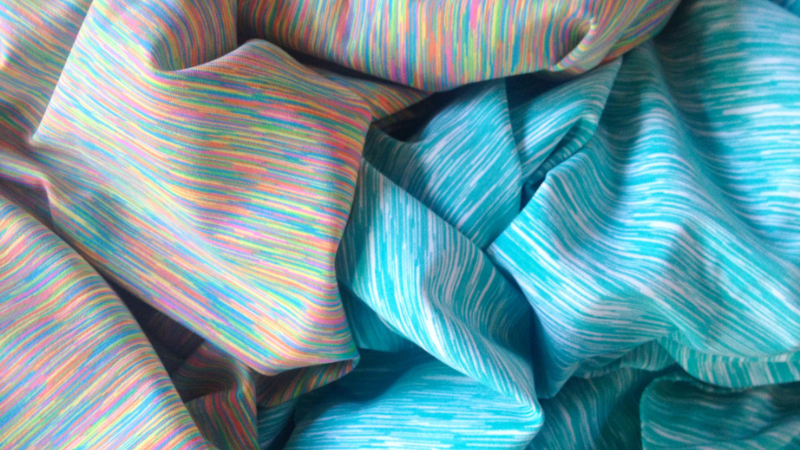
Choosing the right fabric for your gym wear is crucial to ensure comfort, performance, and durability during workouts. Whether you’re a fitness enthusiast, a personal trainer, or a brand creating athletic apparel, selecting the right material can make all the difference. Here’s a detailed guide to help you make the best choice.
1. Consider the Type of Workout
Different workouts require different fabric properties:
- High-intensity training (HIIT, CrossFit): Look for moisture-wicking and breathable fabrics like polyester or nylon blends to keep sweat away from the body.
- Yoga or Pilates: Fabrics with stretch and flexibility such as spandex or elastane blends are ideal for unrestricted movement.
- Outdoor running or cycling: Opt for lightweight, quick-drying, and UV-resistant fabrics for comfort and protection.
2. Prioritize Breathability
Breathable fabrics allow air to circulate, keeping your body cool during workouts. Fabrics such as polyester mesh or bamboo fiber are excellent at promoting ventilation and reducing overheating.
3. Moisture Management
Sweat management is critical for gym wear. Fabrics with moisture-wicking properties pull sweat away from your skin and help it evaporate quickly, preventing irritation and discomfort. Look for technical blends like polyester-spandex or nylon-spandex.
4. Comfort and Stretch
Stretch is key for mobility. Gym wear should move with your body. Materials like spandex, elastane, or Lycra provide the necessary elasticity without losing shape over time. Avoid fabrics that are too stiff or restrictive.
5. Durability
Gym wear goes through repeated stretching, washing, and friction. Choose fabrics that are durable, resistant to pilling, and colorfast. High-quality polyester blends and nylon fabrics are long-lasting and maintain their shape even after multiple washes.
6. Skin Sensitivity
Some fabrics can irritate sensitive skin. Natural fibers like organic cotton or bamboo can be mixed with synthetic fibers for comfort while still offering performance features. Look for hypoallergenic and soft-touch options.
7. Style and Aesthetics
While functionality comes first, style matters too. Fabrics should support prints, vibrant colors, or designs without fading or losing elasticity. Fabrics with smooth surfaces like nylon or polyester blends work well for sublimation prints and bright patterns.
8. Sustainability
Eco-conscious consumers prefer gym wear made from recycled materials or sustainable fibers. Options like recycled polyester or organic cotton blends reduce environmental impact while offering performance.
Final Thoughts
Choosing the right fabric for your gym wear is a balance of performance, comfort, durability, and style. Consider the type of activity, moisture management, and stretch requirements before making a decision. By selecting the right material, you ensure your gym wear enhances your workout experience while standing the test of time.